


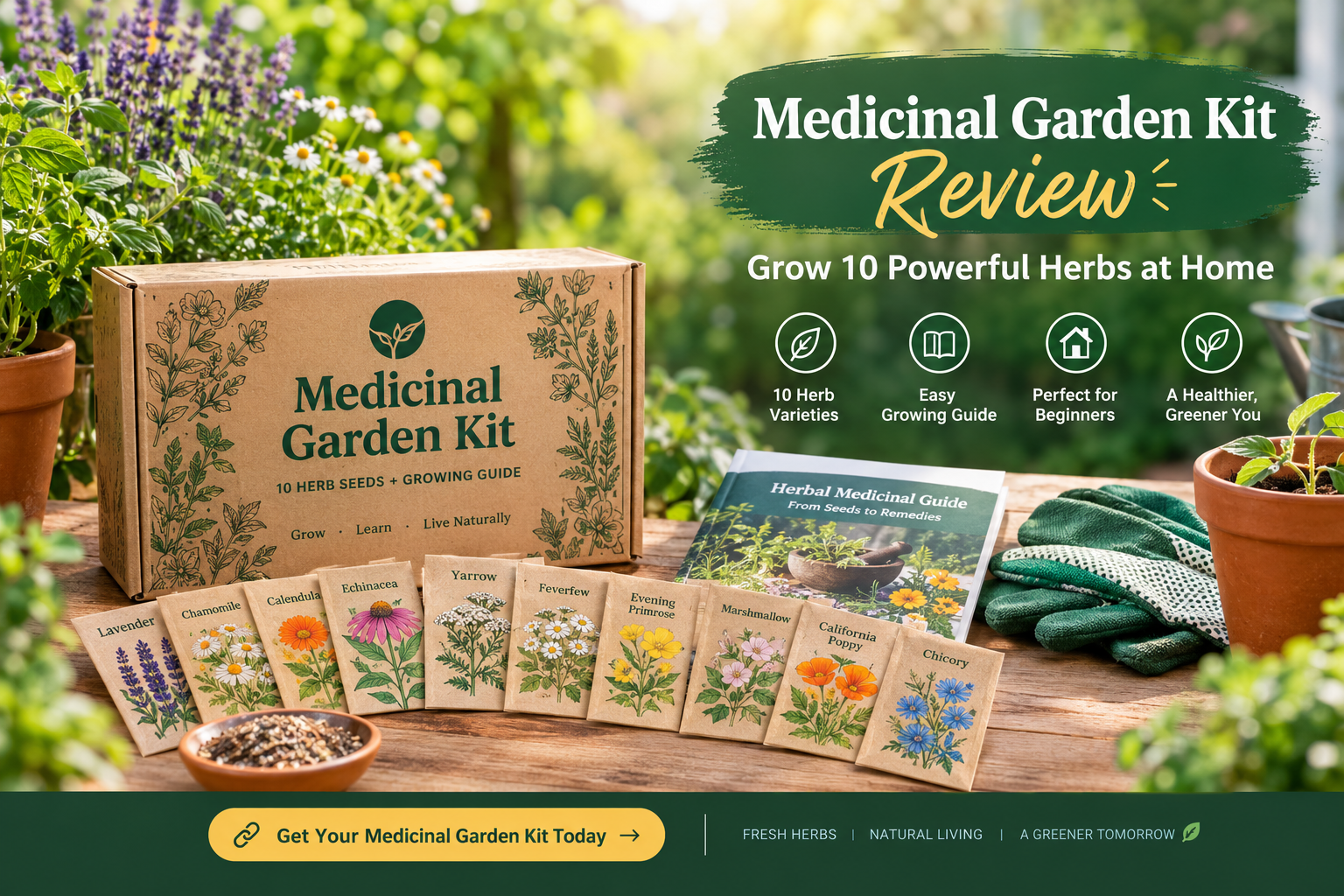
A Beginner-Friendly Way to Start Growing Medicinal Garden Kit Herbs at Home
Want to start growing herbs at home but don’t know which seeds to choose? A medicinal herb garden can be an interesting way to explore gardening, learn about traditional plants, and bring more greenery into your outdoor space.
Instead of buying separate seed packets and searching for separate growing instructions, you may prefer a kit that brings together a selection of herbs and educational resources.
That’s where the Medicinal Garden Kit comes in. It is designed for people interested in growing a collection of traditional medicinal herbs and learning more about their cultivation and preparation.
If you’re curious about what’s included, which plants you can grow, and whether this kit suits your gardening goals, this review will help you understand the basics.
Explore the Medicinal Garden Kit here:
👉 https://medicinalseedkit.com/kit/#aff=danishasri23
Disclosure: This article contains an affiliate link. If you purchase through this link, I may earn a commission at no additional cost to you.
What Is the Medicinal Garden Kit?
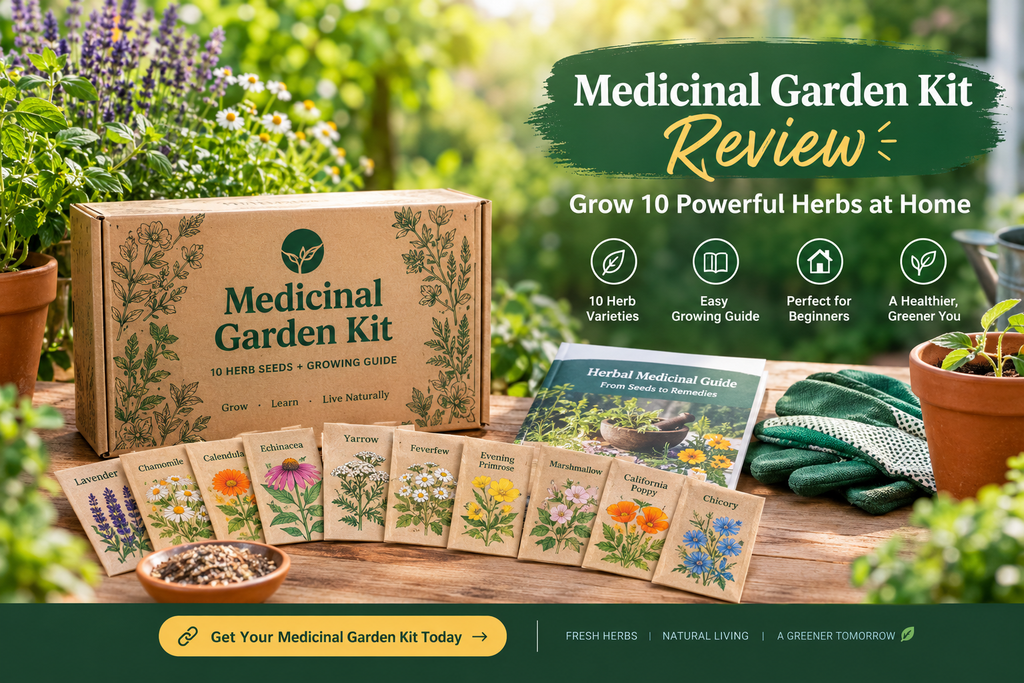
The Medicinal Garden Kit is a seed collection designed around ten varieties of herbs traditionally associated with herbal gardening. According to the product’s sales page, it combines seed packets with a guide explaining how to grow, harvest, and prepare the plants.
The idea is straightforward: make it easier to begin a dedicated herb garden without having to research every variety separately.
You can explore the kit here:
Check out the Medicinal Garden Kit and its current offer
Whether you have an existing garden or want to experiment with growing herbs in suitable containers, the kit may be worth considering if you enjoy practical, educational gardening projects.
What’s Included in the Medicinal Garden Kit?
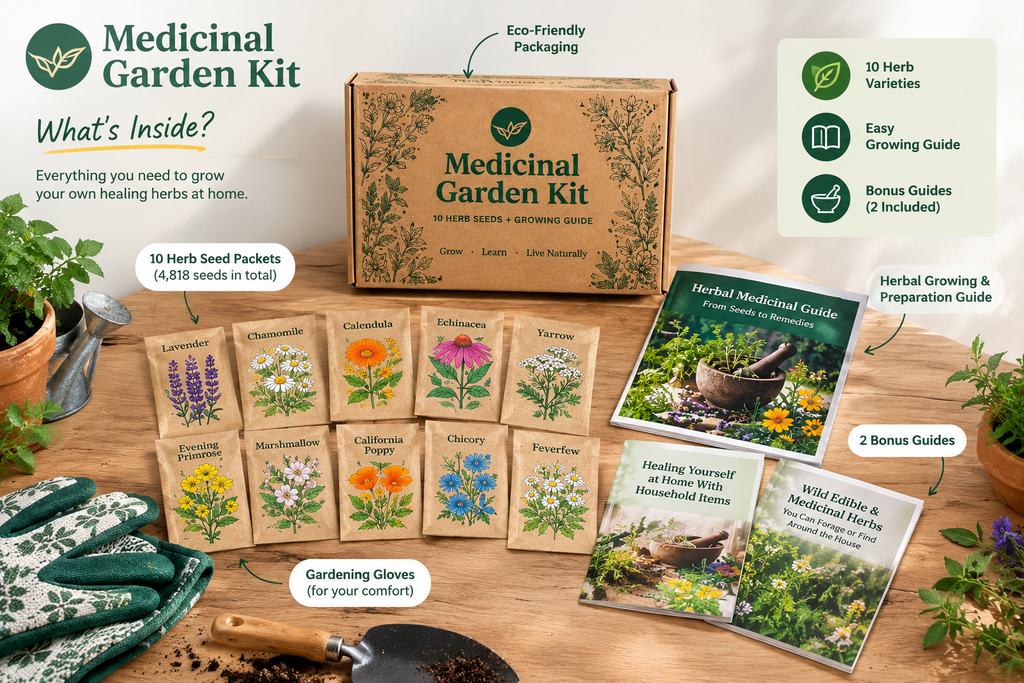
According to the product listing, the kit includes ten varieties of seeds, with 4,818 seeds advertised in total, along with a companion guide.
Here is a closer look at the main features.
1. Ten Varieties of Herb Seeds
The advertised collection includes:
- Chicory: A flowering plant with a long history of traditional uses.
- Yarrow: An attractive herb with clusters of small flowers.
- California poppy: A flowering plant known for its bright orange blooms.
- Marshmallow: A traditional herb with soft leaves and delicate flowers.
- Chamomile: A popular flowering herb commonly associated with herbal tea.
- Evening primrose: A flowering plant valued for its distinctive blooms and seeds.
- Lavender: An aromatic plant appreciated for its fragrance and garden appeal.
- Echinacea: A flowering perennial often grown in ornamental and herb gardens.
- Calendula: A colorful flowering plant frequently used in traditional herbal preparations.
- Feverfew: A flowering herb with a long history in traditional herbal practices.
These plants offer a mix of colors, fragrances, and growing characteristics. Before planting, check the growing conditions and suitability of each variety for your local climate.
2. An Herbal Growing and Preparation Guide
Choosing seeds is only the first step. Understanding when to sow them, how to care for seedlings, and when to harvest them is equally important.
The product advertises a guide called Herbal Medicinal Guide: From Seeds to Remedies. It covers growing and harvesting the plants, as well as traditional preparation methods such as infusions, tinctures, and salves.
For beginners, having growing instructions alongside a seed collection may make it easier to organize the gardening process.
Remember that instructions for making herbal preparations are educational material, not a guarantee that a preparation is safe or effective for a particular medical condition.
3. Additional Educational Resources
The product page also advertises two bonus guides:
- Healing Yourself at Home With Household Items
- Wild Edible and Medicinal Herbs You Can Forage or Find Around the House
These resources are intended to complement the main gardening guide. If you explore wild plants, use a reliable identification reference and never consume a plant unless its identity and safety have been established.
Want to see the full product details?
Visit the Medicinal Garden Kit product page
Why Consider Growing Medicinal Herbs at Home?
A home herb garden can be rewarding even if you are primarily interested in the gardening experience rather than herbal preparations.
Here are some reasons to consider starting one.
1. Learn a Practical Gardening Skill
Growing plants helps you understand seed germination, watering, sunlight, soil quality, and seasonal care. A collection of different herbs can also give beginners an opportunity to compare how different plants grow.
2. Make Your Outdoor Space More Interesting
Many herbs have attractive flowers, distinctive leaves, or pleasant fragrances. Depending on your climate and planting conditions, an herb garden can add variety to a balcony, patio, backyard, or designated garden bed.
3. Explore Traditional Herbal Knowledge
Herbs have played a role in traditional practices across many cultures. Learning about their botanical characteristics, historical uses, and cultivation can be an interesting educational project.
However, traditional use does not automatically establish that an herb treats a medical condition. Research and safety considerations differ from plant to plant.
4. Organize Your Gardening Supplies
Buying individual seeds and researching each variety separately can take time. A curated kit may be convenient if you prefer to start with a collection assembled around one theme.
The value depends on the seed quality, the usefulness of the included materials, and whether the varieties suit your growing conditions.
Is the Medicinal Garden Kit Suitable for Beginners?
The kit may appeal to beginners who want a structured starting point for an herb garden.
You may find it worth considering if you:
- Enjoy growing flowers and herbs at home.
- Want to learn about traditional medicinal plants.
- Prefer a curated collection instead of sourcing each seed variety separately.
- Like following a guide while learning a new skill.
- Have suitable space, sunlight, and growing conditions for the plants.
It may be less suitable if you expect immediate results, need finished herbal products, or want a guaranteed treatment for a health problem.
Important: This is a seed-growing project, not a ready-made collection of medicines. Seeds need appropriate conditions and time to grow, and different varieties have different requirements.
How to Get Started With Your Herb Garden
Even with a gardening kit, preparation matters. Use these practical steps to give your plants a better start.
Step 1: Check Your Growing Space
Assess the amount of sunlight your balcony, patio, or garden receives. Different plants have different light, temperature, and soil requirements.
Step 2: Read the Seed Instructions
Check the recommended sowing depth, spacing, germination conditions, and planting season for each variety. Do not assume every seed should be planted in the same way.
Step 3: Prepare Suitable Soil and Containers
Use well-draining growing media and containers with drainage holes where appropriate. Choose container sizes based on the mature size and root requirements of each plant.
Step 4: Monitor Watering and Growth
Keep the growing medium appropriately moist during germination, without leaving seeds or roots waterlogged. Monitor seedlings and adjust watering according to the plant and weather conditions.
Step 5: Research Before Using Any Herb
Growing a plant and using it medicinally are two different things. Confirm the plant’s identity and research its safety before considering any preparation.
Some herbs can cause allergic reactions or interact with medications. Pregnant or breastfeeding people, children, and anyone taking medication or managing a medical condition should consult a qualified healthcare professional before using medicinal herbs.
Medicinal Garden Kit: What Should You Check Before Buying?
Before purchasing, consider these five points.
1. The complete contents: Confirm the included seed varieties, guides, and any advertised bonuses on the product page.
2. The growing requirements: Make sure the plants are suitable for your climate and available space.
3. The total price: Check the current product price, shipping charges, applicable taxes, and final checkout total.
4. The refund terms: Read the current refund policy and understand any return or shipping requirements before placing an order.
5. Your expectations: Buy the kit for its seeds and gardening resources rather than expecting guaranteed medical outcomes or savings on healthcare expenses.
The seller advertises a 365-day money-back policy, but you should confirm the current terms and conditions directly before ordering.
Is the Medicinal Garden Kit Worth Considering?
The answer depends on what you want from a gardening kit.
If you enjoy growing plants, want to explore traditional herbs, and appreciate having seeds and educational resources in one package, the Medicinal Garden Kit may be a suitable option to investigate.
Its appeal is the combination of ten herb varieties and accompanying learning materials. However, the actual value will depend on seed quality, growing success, the usefulness of the guide, and the kit’s total cost compared with buying seeds and gardening resources separately.
It is also important to keep expectations realistic: growing herbs does not guarantee that you will produce a safe or effective remedy, and herbal preparations should not replace prescribed treatment.
For someone who wants to learn about herb gardening through a curated collection, the kit offers a starting point worth examining.
Where Can You Buy the Medicinal Garden Kit?
You can review the product details, advertised inclusions, current pricing, and applicable purchase terms through the link below.
Start Exploring Your Medicinal Herb Garden
If you’re ready to explore a new gardening project and learn more about growing traditional herbs, take a look at the Medicinal Garden Kit before deciding whether it suits your needs.
Click here to explore the Medicinal Garden Kit and see the current offer
Review the details carefully, check the growing requirements, and make an informed purchase based on your gardening goals.
A successful herb garden starts with the right expectations, appropriate growing conditions, and a willingness to learn.
Frequently Asked Questions
1. What is the Medicinal Garden Kit?
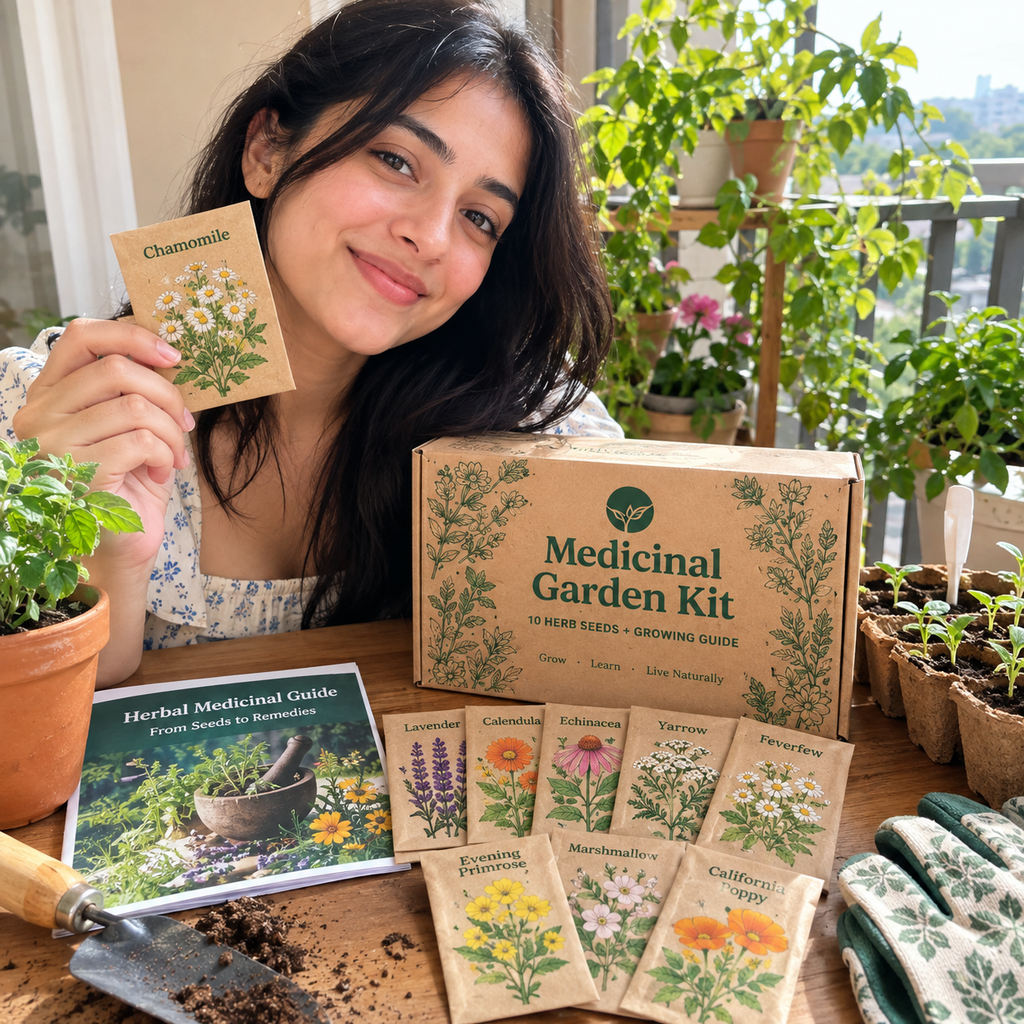
It is a seed collection advertised with ten varieties of herbs and an accompanying guide covering growing, harvesting, and traditional preparation methods.
2. Which herbs are included?
The advertised varieties are chicory, yarrow, California poppy, marshmallow, chamomile, evening primrose, lavender, echinacea, calendula, and feverfew. Check the current listing to confirm the complete contents.
3. Is the Medicinal Garden Kit suitable for beginners?
It may suit beginners interested in learning about herb gardening. Growing success depends on following the instructions and providing appropriate conditions for each plant.
4. Can I grow the herbs in containers?
Some varieties may grow in containers, provided the containers offer sufficient space, drainage, and suitable growing conditions. Check the individual requirements of each plant before planting.
5. Does the kit contain finished herbal remedies?
No. It is advertised as a seed kit with educational materials, not a collection of finished medicinal products.
6. Can the herbs replace medication?
No. Do not use the kit or any homegrown herbal preparation as a substitute for prescribed treatment. Herbal products can have side effects and interactions, so consult a qualified healthcare professional before using them medicinally.
7. Where can I check the latest price and refund policy?
Visit the Medicinal Garden Kit product page to check the current price, shipping details, included resources, and applicable refund terms.
Affiliate disclosure: I may earn a commission if you purchase through links in this article, at no additional cost to you. This article is for educational and informational purposes only and does not constitute medical advice. Product features and policies are based on seller-provided information and should be verified before purchase.